The Ultimate Guide to Progressive Web Apps (PWAs): The Secret Weapon for iGaming Retention and Acquisition

As the iGaming landscape becomes increasingly competitive, player retention and acquisition have never been more challenging. The PWA technology helps players frictionless, app-like access directly from their browsers, while providing operators with a powerful, direct-to-device communication channel to boost lifetime value.

1. What is a Progressive Web App (PWA)?

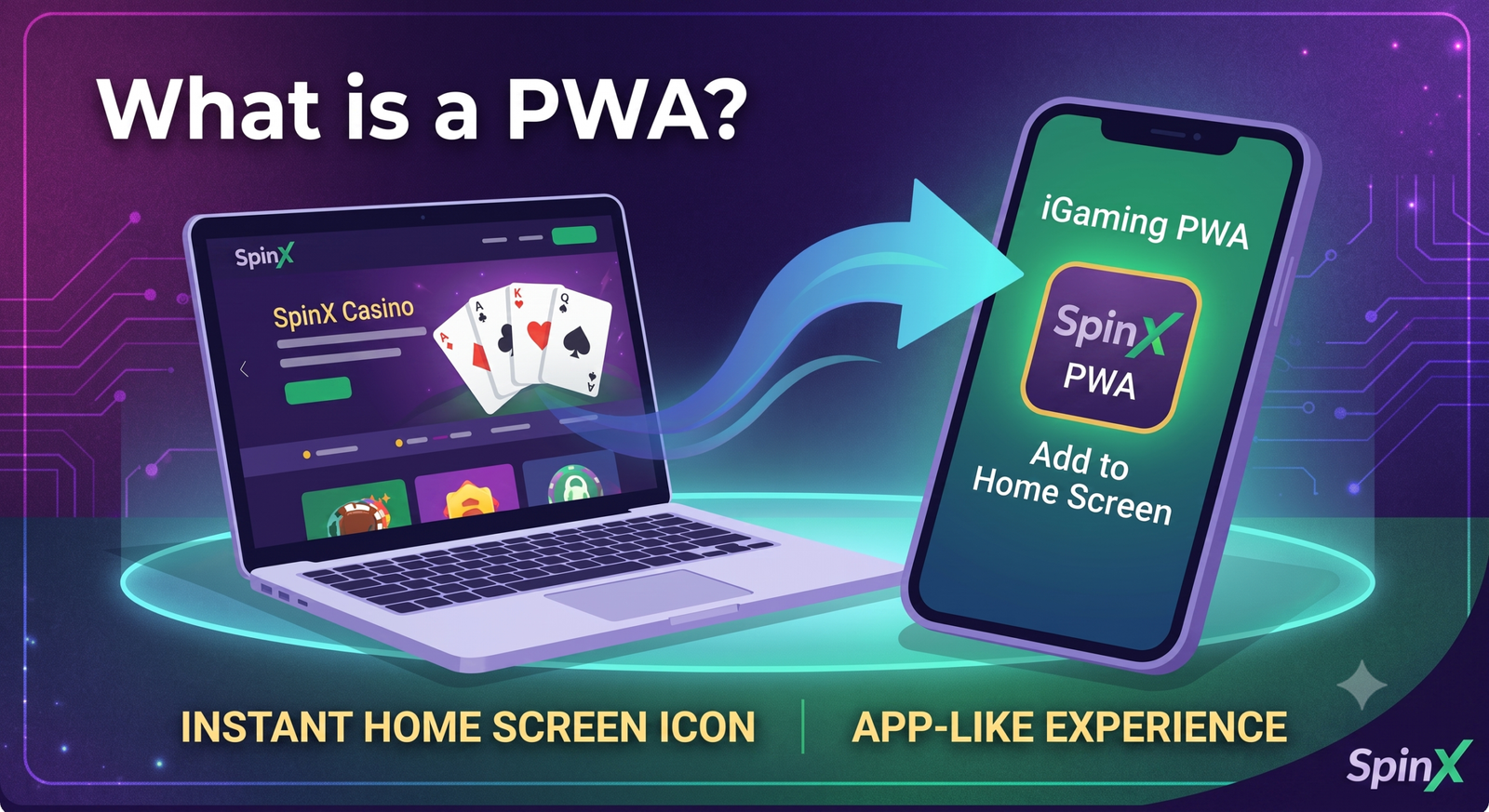
Imagine combining

The best parts of a website (accessible instantly via a browser, no download required) with the best parts of a mobile app (push notifications, home screen icon, fast loading speeds). That is a Progressive Web App.

To a layman, a PWA feels exactly like a premium mobile app. However, instead of searching for it in the crowded Google Play Store or Apple App Store, players simply click a button on your website(Add to home screen), and a shortcut icon is instantly added to their phone’s home screen.

2. How It Works & Opening a New Communication Channel ( Push Notifications)

Once a player adds your PWA to their home screen, it completely transforms how you interact with them. It acts as a bridge, giving you a direct line of sight on their device’s home screen.

The Power of Push Notifications

The standout feature of a PWA is

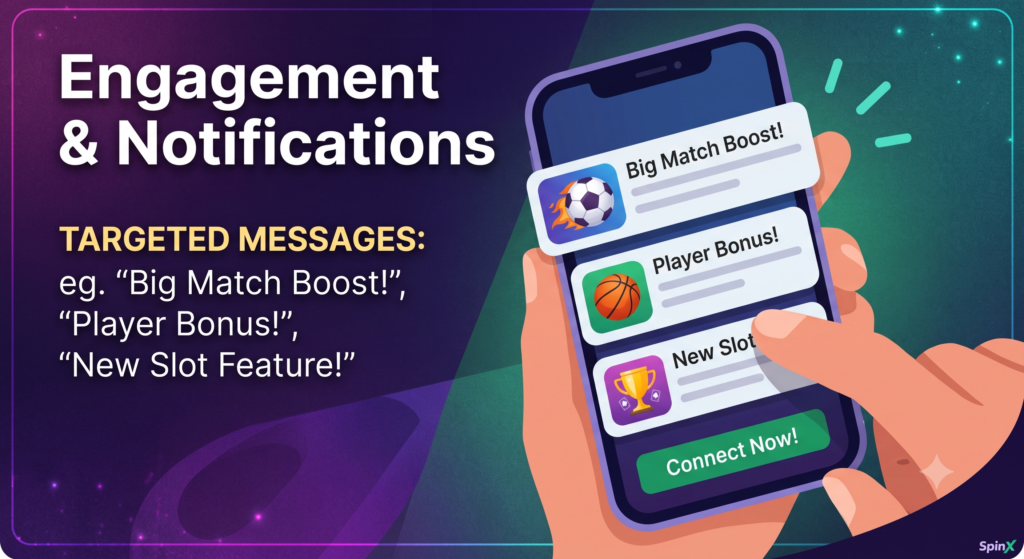
The ability to send Push Notifications directly to the user’s phone screen — even when their browser is closed.

  • Instant Awareness: When you launch a new weekly casino tournament, a live poker event, or an odds boost for a big weekend soccer match, a notification lights up their screen instantly.
  • Hyper-Targeted Segmentation: You don’t have to blast the same message to everyone. You can segment your audience based on their exact behavior:
    • The “Signed Up but Not Deposited” Segment: Send them a personalized welcome bonus notification: “Your 200% first deposit bonus is waiting! Claim it now.”
    • The “Active Depositor” Segment: Reward them with VIP perks or free spins: “Your weekly cashback has been credited! Tap to spin.”
    • The “Dormant Player” Segment: Remind them of what they’re missing: “Big game tonight! Check out your custom odds.”
Does it work with email?

Absolutely. A PWA doesn’t replace your existing channels; it enhances them. Think of it as a multi-channel ecosystem.

3. The Benefits: Why PWAs Beat the Crowded Inbox

Email marketing is facing an uphill battle. Inboxes are flooded with spam, promotional filters hide your messages, and open rates are continually dropping.

Feature

PWA Push Notifications

Traditional Email

Visibility

Pops up directly on the mobile lock screen.

Hidden away in a crowded “Promotions” tab.

Delivery Speed

Instantaneous.

Can face delivery delays or spam filters.

Average Click Rate

5% – 12% (Industry standard)

1.5% – 2.5% (iGaming standard)

User Response

Up to 4x higher response rates than email.

Requires opening an app, typing login info, etc.

Driving Acquisition, Conversions, and Lifetime Deposit Value (LDV)
  • Re-engaging the Unconverted: A player signs up but leaves before depositing. An hour later, a subtle push notification reminds them of their pending bonus. Because the PWA is already on their phone, a single tap takes them straight back to the deposit screen.
  • Boosting LDV: By keeping your brand top-of-mind with real-time jackpot alerts or live-score updates, players return more frequently. Higher frequency directly correlates to an increase in their lifetime deposit value.
  • Frictionless Communication: There are no links to click, no email apps to open, and no passwords to re-type if they are kept logged into the web app. Communication is seamless.

4. Frictionless Access, Unmatched Engagement

By allowing players to add the platform directly to their home screen—with zero downloads and no storage strain—PWAs place your brand just one tap away. This permanent, high-visibility creates habit-forming engagement, turning casual visitors into daily active players.

5. Legality, Privacy, and User Consent

In the iGaming world, trust is everything. Legally, you cannot send push notifications or force an app installation without explicit user consent.

Fortunately, compliance is built right into how PWAs work:

  • GDPR & Privacy Compliance: Players must actively click “Allow” on their device to receive notifications.
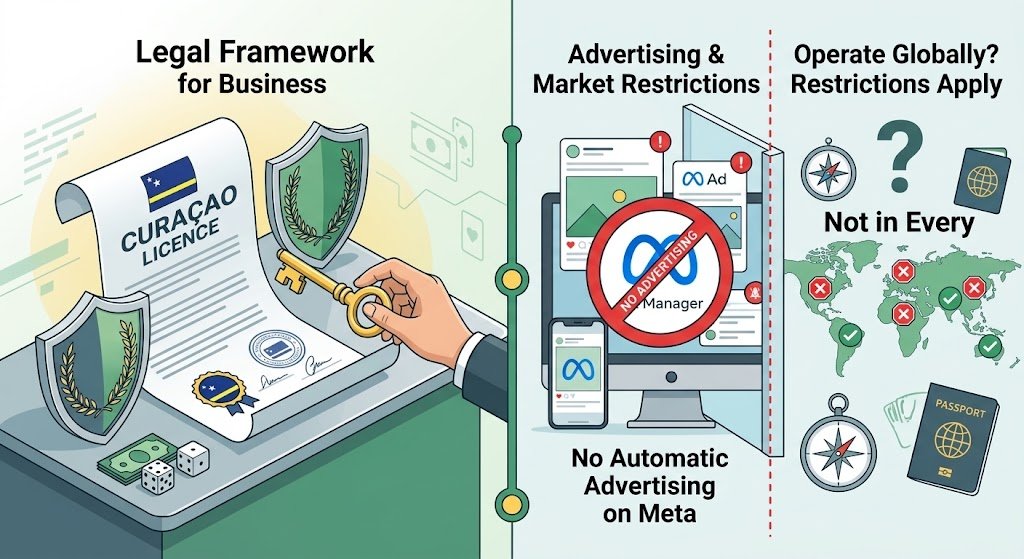
  • Zero App Store Hurdles: Because PWAs bypass the Apple and Google Play stores, you don’t have to worry about the strict, ever-changing store policies regarding gambling apps. As long as your website complies with local gaming licenses, your PWA is completely compliant.
  • Easy Opt-Out: Users can turn off notifications or delete the app icon anytime, keeping them in total control and ensuring your brand maintains high trust metrics.

Google & Meta

User Flow : After signup we give an option to users to add the home screen for easy access of the website.

POP & PUSH  Traffic

High-Converting User Flow with a Pre-Lander

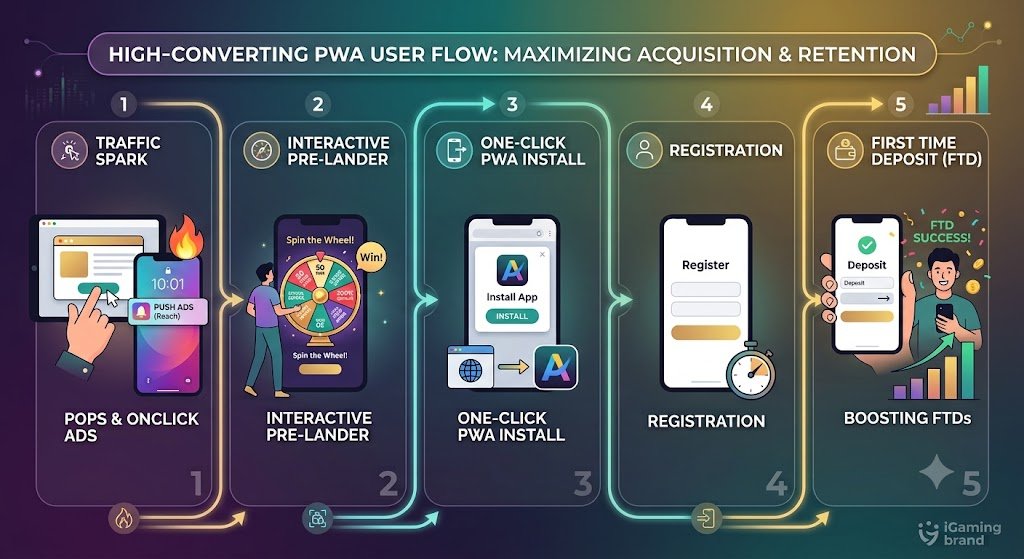
The secret to maximizing PWA adoption isn’t just about showing a generic install button; it is about priming the user so they want to install it. Instead of a standard redirect, using a Pre-Lander flow combined with Push Traffic creates an automated funnel that qualifies players and drives massive conversion rates.

Here is exactly how this high-converting user flow works, step-by-step:

Step 1: The Traffic Spark (Pop, Push & Onclick Ads): The journey begins where your audience is already browsing.

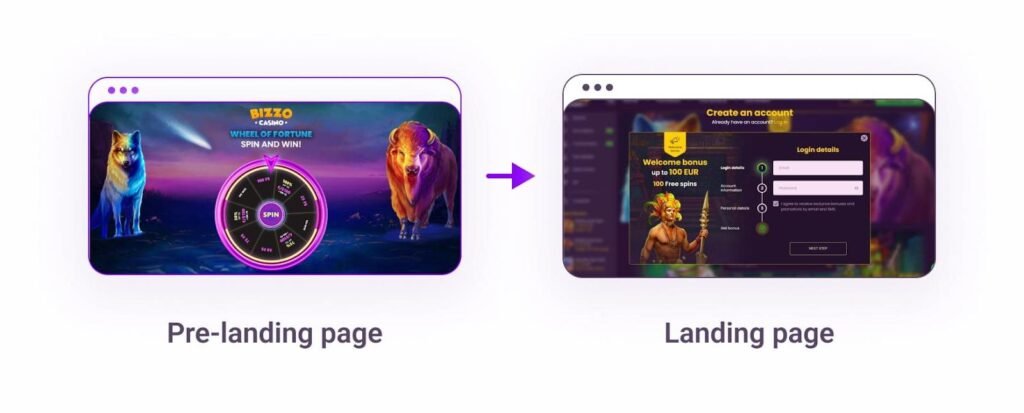
Step 2: The Pre-Landing Hook: Instead of dumping raw traffic directly onto a registration form, users land on an interactive, highly engaging Pre-Lander.

Step 3: One-Click PWA Install: Now that the player is hooked, the pre-lander prompts them to claim their prize.This triggers the One-Click PWA Install directly within their mobile browser. Because the PWA bypasses the traditional App Store entirely, there are no heavy downloads or friction. With a single tap, the web app icon drops right onto their home screen.

Step 4: Frictionless Registration: The moment the app icon appears on their home screen, it automatically launches the Signup page .

Step 5: Conversion Goal – The First Time Deposit (FTD): With the app installed and the profile registered, the user is immediately routed to the deposit cashier page with their pre-lander bonus already pre-loaded. Because they’ve experienced a smooth, gamified journey, trust is high—leading to a massive spike in First Time Deposits (FTDs).

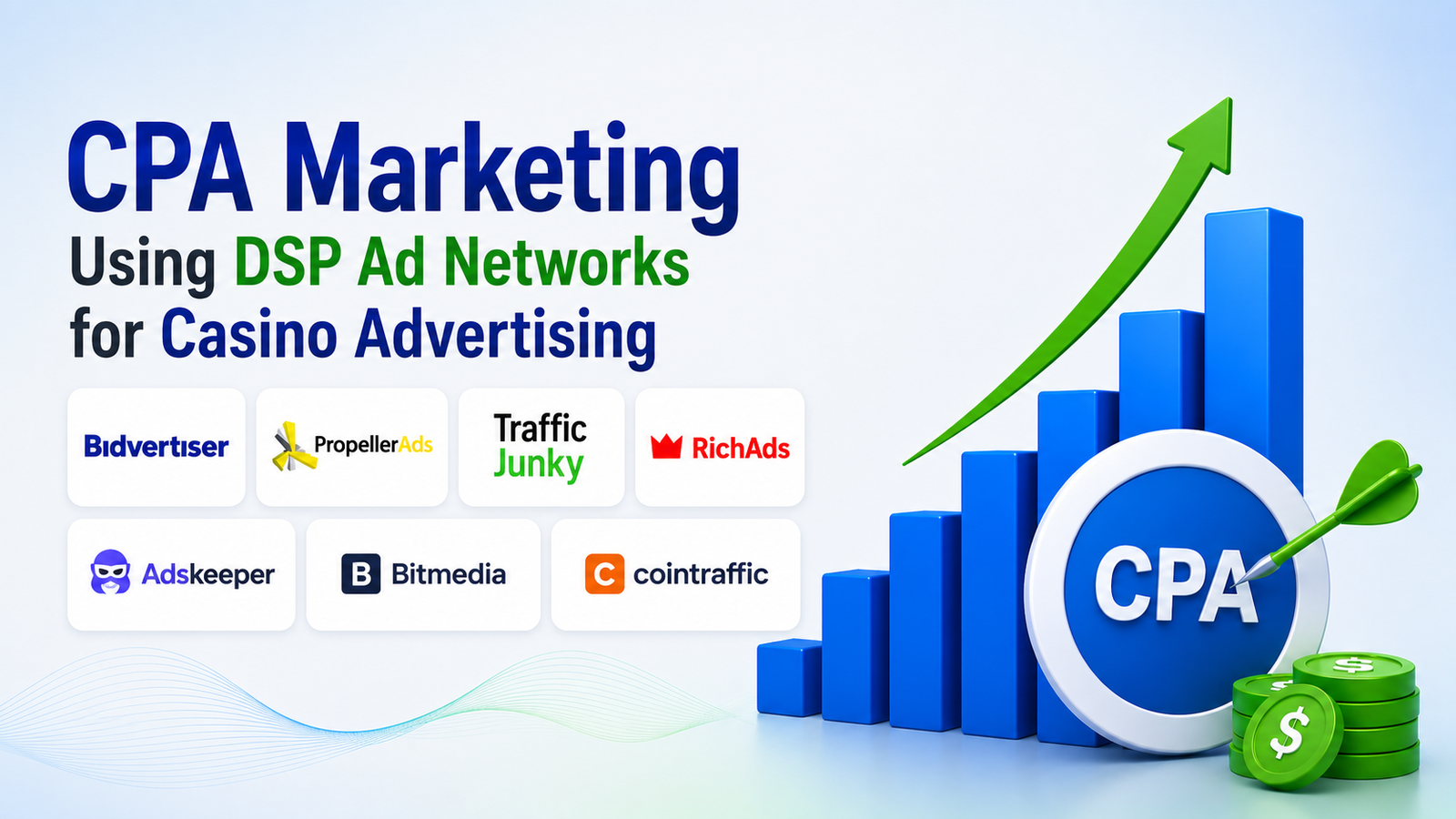
CPA Marketing using DSP Ad networks for Casino Advertising

How to run CPA campaigns for online casinos?

What does it mean by DSP ad networks?
DSP means Demand side platforms. They are also called programmatic advertising platforms. The prominent DSPs are Bidvertiser, Propeller ads, Traffic Junkey, Rich ads, Ads keeper, Bitmedia, Cointraffic etc.

What does it mean by CPA campaigns?


CPA means cost per action. 

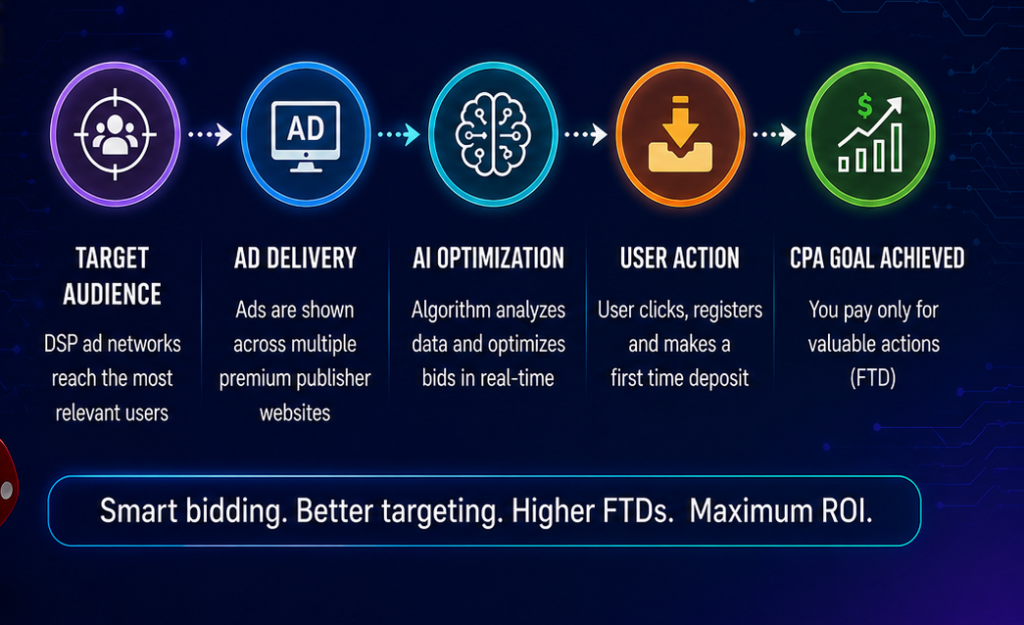
CPA campaigns are campaigns that bid based on your approximate CPA target or cost per  FTD (First time deposit) target provided by the advertiser. So that the bidding is more personalised and AI driven.
The adnetworks set a bid based on this goal and the historical performance. It started with CPM bidding during the learning period. During this period it was tested on various publisher websites with different audience groups.

After the learning period, the CPA bidding is enabled . Then it can bid high/law as per the learning to achieve the CPA target.

In summary CPA campaigns set bids using historical data from your account such as Zone ids , locations , gender and many other multi dimensional factors based on your CPA goal. 


How is it different from traditional CPM campaigns?


CPM means COST per 1000 impressions. 

So in CPM campaigns you are paying for 1000 impressions. So the ad networks do not have any target CPA goal to optimize the campaigns. So it keeps on showing ads to people. You need to manually optimize campaigns for better performance and results.

The optimization is heavily dependent on manual segmentation. You need to manually remove non profitable segments such as publisher websites, age, gender etc from showing ads. In CPA bidding the heavy lifting is done by algorithm.

How does CPA campaigns work?


It basically starts with CPM bidding. This is a period of testing and learning. Various different psychographic audiences are tested in many publisher networks. This testing data will be used by CPA bidding later for optimisation purposes. 


What should be the Goal of the campaigns for Casino advertising?


FTD should be the goal of the campaign. This helps the algorithm to set bids for FTD customers and avoid bidding for registrations.

What should be the CPA target?


The CPA target should be a realistic number. 

Setting very low CPA target hunters scaling.  Because the algorithm automatically does away with Publisher websites and audience groups when the CPA is very low. This reduces the ad inventory and affects scaling.

For example if you set an FTD target as $5 in a Tier1 country . The algorithm may not be able to spend because it will not be able to bid on an audience group in a publisher website that likely the CPA of FTD there is likely greater than $6. So it can’t bid on that placement. So ultimately the ad inventory and audience are shrinked. So the spending will be less than the budget. Hence the scaling is compromised.

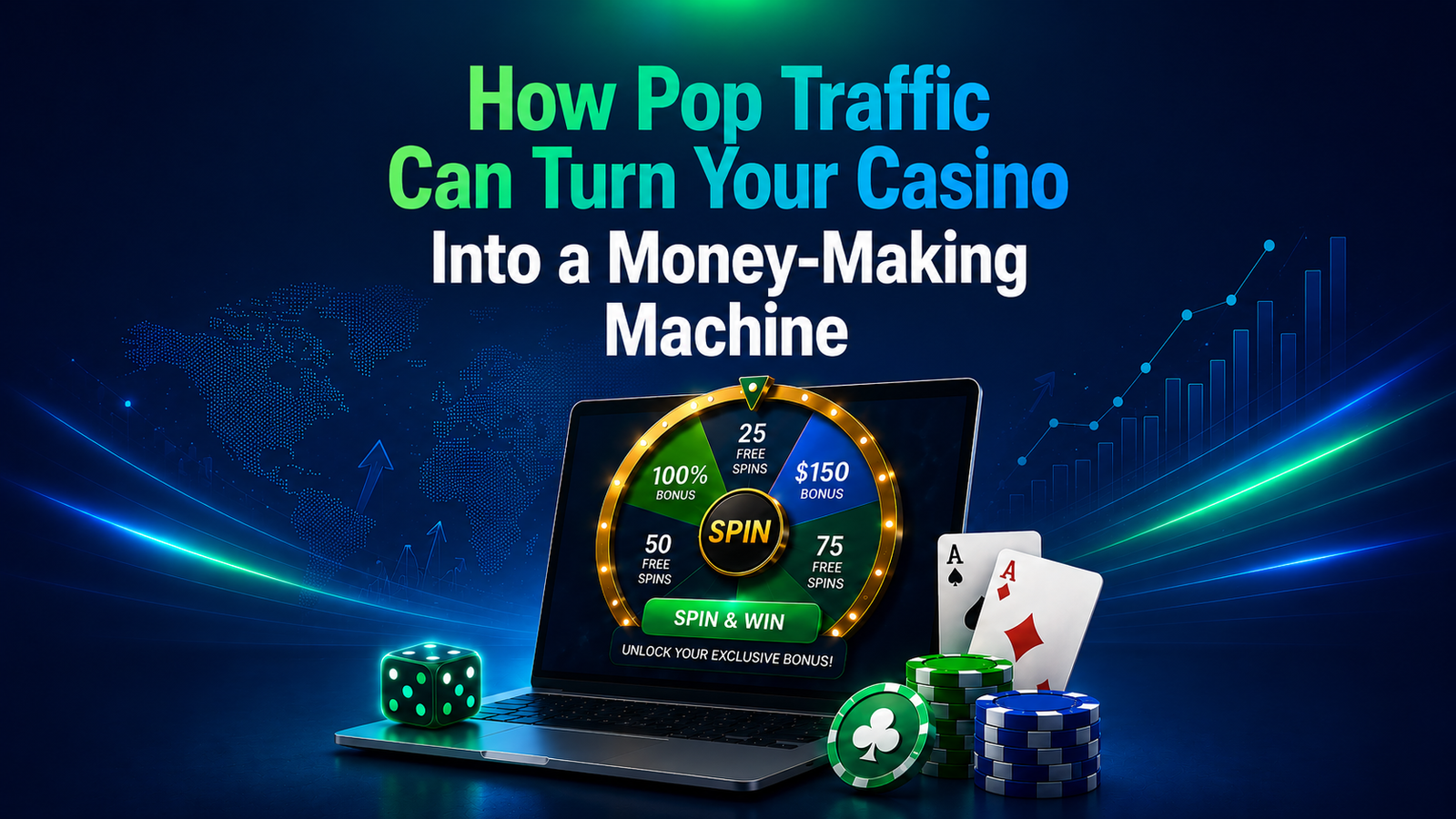
How Pop Traffic Can Turn Your Casino Into a Money-Making Machine

The Power of Interactive Landing Pages

In the competitive world of iGaming, online casinos, sportsbooks, and betting platforms, Pop Traffic remains one of the most effective performance marketing channels when combined with the right conversion funnel.

The success of a pop traffic campaign isn’t determined by the traffic alone—it’s determined by what users think after they see your page.

Let’s explore how pop traffic works — and why interactive landing pages consistently outperform conventional offer pages.


What is Pop Traffic?

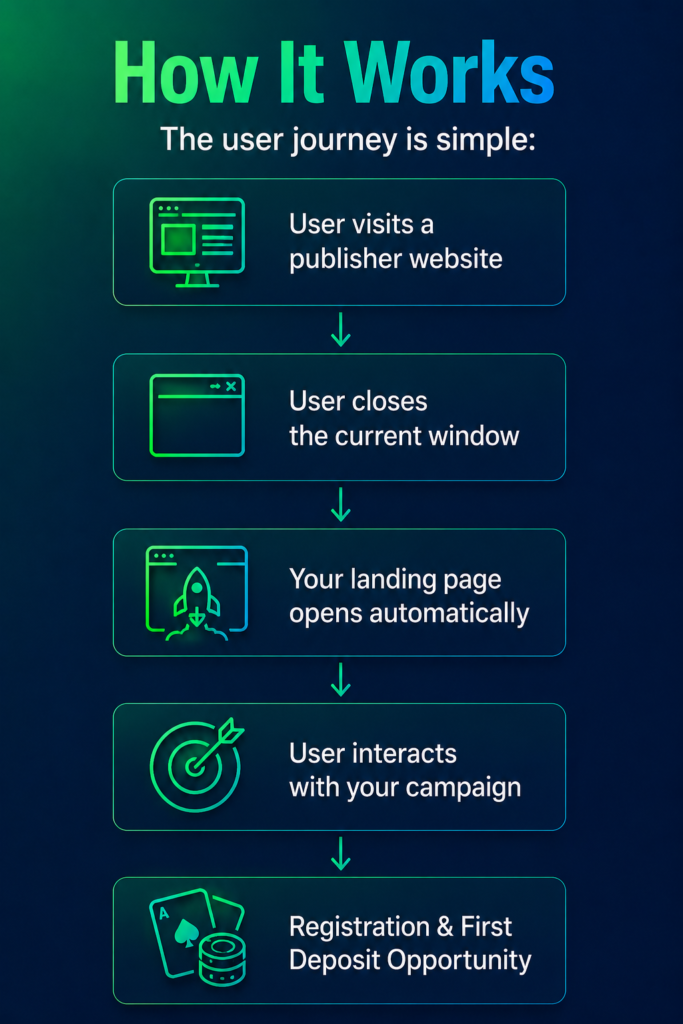
Pop traffic is a format where a user’s browser automatically opens an advertiser’s landing page after a specific action, such as closing the current webpage or interacting with it.

Unlike display ads that compete for attention, pop traffic presents your landing page directly to the user, making it one of the highest-volume traffic sources available for affiliate marketers and licensed iGaming operators.

Diagram showing how pop traffic opens a casino landing page after a user action

This creates an immediate opportunity to capture the user’s attention before they continue browsing elsewhere.


Why Landing Pages Matter More Than Traffic

Many advertisers assume that buying pop traffic automatically leads to more registrations and first-time deposits (FTDs). In reality, campaigns fail when they misread the psychology of this traffic.

Imagine a user who has just closed a webpage. They are not actively looking for an online casino at that moment. If they’re immediately presented with a standard promotional page asking them to register with an offer, many will simply close it.

A conventional landing page often includes:

    • Registration forms

    • Promotional banners

    • Bonus offers

    • Multiple call-to-action buttons

Because the page immediately asks the user to take action, it can feel like a typical advertisement, resulting in lower engagement.

The challenge isn’t getting visitors—it’s keeping their attention long enough to spark interest.


Interactive Funnels: Turning Curiosity into Engagement

Spin the Wheel and Scratch and Win interactive funnel icons for casino landing pages


The most successful pop traffic campaigns don’t ask users to register immediately. Instead, they first invite them to participate in a quick, engaging activity.

Interactive funnels create curiosity, making users far more likely to continue through the conversion journey.

Popular interactive funnels include:

    • 🎯 Spin the Wheel

    • 🎁 Scratch & Win

    • 🧠 Quiz Funnel

    • 🎲 Mystery Box

    • 🎉 Lucky Draw

Rather than presenting an offer straight away, these funnels encourage users to interact first.


Why the Spin Wheel Funnel Performs Well

Interactive gamification has become one of the highest-performing approaches for pop traffic campaigns.

Spin the wheel casino landing page funnel flow from click to registration

With a Spin the Wheel landing page, the visitor doesn’t feel like they’re entering a registration process. Instead, they’re invited to try their luck with a simple click.

The process looks like this:

Landing Page Opens >> User sees a prize wheel >> Clicks “Spin” >> Wheel reveals a reward >> Prize is unlocked after registration

This simple interaction creates:

    • Curiosity

    • Excitement

    • Anticipation

    • A sense of achievement

Instead of asking users to register immediately, the landing page first gives them a reason to stay.


Why Interactive Funnels Increase Engagement

Interactive landing pages are effective because they tap into natural user behavior.

Users are more likely to interact when:

    • The action requires only one click.

    • The experience feels entertaining rather than promotional.

    • They believe they may receive a reward.

    • The next step is presented as unlocking a prize instead of filling out a registration form.

This creates a smoother transition from visitor to potential player.


Choosing the Right Funnel for Each Market

One important lesson in iGaming marketing is that there is no universal funnel that works everywhere.

Different geographical regions respond differently to various campaign experiences.

Funnel Best Use Case
Spin Wheel Strong performance across several Southeast Asian markets
Scratch & Win Popular for instant reward campaigns and successful in Eastern European countries and SEA.
Quiz Funnel Works well when educating users before presenting an offer . Works well in Tier-1 countries.
Lucky Draw Suitable for promotional events and seasonal campaigns

A successful campaign combines:

    • The right GEO

    • The right traffic source

    • The right funnel

    • The right offer

When these four elements align, campaigns are much more likely to generate quality registrations and first-time deposits.


Pop Traffic for Licensed vs. Non-Licensed Casino Brands

Licensed and non-licensed operators both use pop traffic, but the compliance requirements differ.

Licensed operators typically run pop traffic through regulated ad networks and must factor in age-verification prompts, responsible-gambling disclaimers, and GEO restrictions tied to their license. Landing pages need to reflect the same compliance standards as the core site, including visible T&Cs and licensing badges.

Non-licensed and gray-market brands rely more heavily on specialized pop and push networks that accept iGaming traffic without the restrictions of mainstream ad platforms. These campaigns still need careful GEO targeting, localized disclaimers, and cloaking-aware creative strategy to stay compliant with local advertising laws. For a deeper look at running paid traffic for gray-area brands, see our related breakdown: Running Paid Traffic for Gray-Area Casino Brands: Strategy, Risks, and Reality.

In both cases, the interactive-funnel principles above apply equally. The difference is in traffic sourcing, compliance layers, and risk management, not in how you design the engagement.

Why Testing Is Essential

Even the best-designed funnel should be continuously optimized.

Successful media buying teams regularly test:

    • Landing page designs

    • Button placement

    • Headlines

    • Prize messaging

    • Registration flow

    • Mobile experience

    • Localization

    • Language and currency

Small improvements in user engagement can significantly improve registration rates and overall campaign performance.

Pop traffic works best alongside other acquisition channels. See how it compares to search intent in Google Ads for Casino Businesses: Best Strategies to Increase Player Acquisition.


Our Approach to Pop Traffic Campaigns

We don’t simply deliver traffic—we focus on creating high-performing conversion funnels tailored to licensed iGaming and betting brands through our Full Funnel Campaign Management approach.

Our strategy combines:

    • High-quality pop traffic

    • Interactive landing pages

    • Region-specific funnel optimization

    • Mobile-first user experience

    • Continuous performance testing

    • Conversion-focused campaign management

Whether it’s a Spin the Wheel, Scratch & Win, or Quiz Funnel, we select the experience that best matches your target audience and geographical market.


FAQs: Pop Traffic for Casino Operators

What is pop traffic in iGaming marketing?
Pop traffic opens an advertiser’s landing page automatically after a user action, such as closing a tab. It’s one of the highest-volume traffic sources for casino and betting affiliates.

Why do interactive landing pages convert better than static offer pages?
Because pop traffic users aren’t actively searching for a casino at that moment. A quick, game-like interaction (Spin the Wheel, Scratch & Win) earns attention before asking for registration, instead of leading with a form.

Which interactive funnel works best for my GEO?
It depends on the market. Spin the Wheel performs strongly in Southeast Asia, Scratch & Win in Eastern Europe and SEA, and Quiz funnels in Tier-1 countries where users respond better to an educational step first.

Can non-licensed or gray-market casino brands use pop traffic?
Yes. Pop and push networks are commonly used by both licensed and non-licensed brands. The main differences are in compliance handling, creative strategy, and GEO targeting rather than the funnel mechanics themselves.

How is pop traffic campaign performance measured?
Success is tracked through registrations and first-time deposits (FTDs), not just clicks or impressions, which is why funnel design and continuous testing matter more than raw traffic volume.

Final Thoughts

Pop traffic continues to be one of the most scalable acquisition channels for the iGaming industry. However, traffic alone isn’t enough to drive meaningful results.

The real difference comes from how users experience your campaign after the landing page opens.

Interactive funnels transform a simple visit into an engaging experience, encouraging users to stay longer, interact with your offer, and continue through the registration journey.

When paired with the right offer, localization strategy, and ongoing optimization, pop traffic can become a powerful channel for increasing user engagement and supporting stronger registration and first-time deposit performance.

Note: Campaign performance varies depending on factors such as target geography, audience quality, creative assets, and the offer itself. We continuously test and optimize campaigns to achieve the best possible outcomes for each market.

Want a pop traffic funnel built for your market? Talk to our team.

Why Comparing Meta vs. Google Performance Is Misleading for Online Casinos

Online Casino Marketing
📅 May 2, 2026⏱ 5 min read🎰 Casino Marketing Strategy
Comparing Google ROAS to Meta ROAS is like comparing your sportsbook cashier to your slot machine lobby banner. One closes the deal — the other creates the desire in the first place. Judging them by the same yardstick will always lead to the wrong budget cuts.
1

Different Funnel Roles

Google Ads

Intent-based, demand capture — reaches players actively searching for a casino right now.

Meta Ads

Passive discovery, demand creation — reaches players before they even know they want to play.

💡 Meta plants the seed. Google harvests it. You NEED both — don’t make one the scapegoat.
2

Attribution Windows Are Rigged

Google

90-day click, 30-day view
Long conversion window = more attributed conversions.

Meta

7-day click, 1-day view
Short window = fewer credited conversions.

💡 Meta loses out on delayed sign-ups and first deposits — even when Meta drove them.
3

iOS 14 Killed Meta’s Visibility

  • 28-day attribution window? Gone.
  • Postback delays and significantly reduced data granularity.
  • Your casino campaigns might be driving registrations — Meta just can’t fully see them.
💡 Your ads might be performing brilliantly behind the scenes. Apple’s privacy changes are hiding the data.
4

Attribution Bias Is Real

  • Meta drives the first click — awareness, curiosity, intent.
  • Google gets the last click (and takes all the credit).
  • Your budget decisions are based on incomplete player journey data.
💡 Last-click attribution will always favour Google — that doesn’t mean Meta isn’t doing the heavy lifting upstream.
5

Ad Experiences Work Differently

Meta

Storytelling & repetition
Brand awareness, bonus offers, lifestyle content. Builds trust over time.

Google

Instant response
Player intent, direct offer capture. Converts fast.

💡 Different goals, different clocks — judge them accordingly.
⭐ Key Advantage

Meta Allows Casino Remarketing — Google Does Not

This is one of the most important — and most overlooked — differences for online casino operators:

Meta (Facebook & Instagram) — ALLOWS remarketing

Meta permits remarketing to existing casino players and website visitors — even in the gambling niche — with proper certification and geo-targeting compliance.

🚫
Google Ads — DOES NOT allow remarketing

Google’s policy prohibits the use of remarketing lists for casino and gambling advertisers. You cannot retarget users who visited your casino site or app via Google Ads.

What this means for your strategy
  • Meta is your only paid channel for retargeting lapsed players and re-engaging past depositors.
  • Personalised bonus offers to known users can only be delivered via Meta.
  • Google can only be used for top-of-funnel acquisition — new players searching for casinos.
  • Ignoring Meta’s remarketing capability means leaving your highest-value audience unreached on paid social.
  • Don’t let attribution bias make you cut the only channel that can talk to your existing players.

📊 Smarter Metrics to Use Instead

MER
Media Efficiency Ratio — Total revenue vs. total ad spend across all channels. See the full picture, not just last-click.
CAC
Customer Acquisition Cost (blended) — What does it truly cost to acquire a depositing player across all channels combined?
MTA
First-party attribution — Use GA4, Server-Side Tagging / CAPI, and Multi-touch Attribution tools to understand how players truly find you.

Direct comparison between Google Ads and Meta Ads for online casinos is often misleading — and it’s hurting your acquisition strategy.

Each platform plays a fundamentally different role in the player journey. Measure them that way.

Let’s fix this broken comparison model — together. 🎯

Running Paid Traffic for Gray-Area Casino Brands: Strategy, Risks, and Reality

Introduction

The online casino and iGaming industry is one of the most lucrative yet challenging spaces for digital marketers. While the potential customer lifetime value is high, advertising restrictions across major platforms make paid traffic acquisition difficult—especially for gray-area casino brands.

In this article, we explore how experienced advertisers navigate these challenges, from content separation and traffic filtering to risk management and compliance strategies.

⚠️ This content is for educational and strategic discussion only. Advertising regulations vary by country and platform.


Understanding the Gray Casino Advertising Landscape

A gray casino is an operator that:

  • Holds a valid license in one or more jurisdictions
  • Operates legally in specific regions
  • Faces platform-level restrictions rather than outright legal bans

Major ad platforms prioritize:

  • User safety
  • Regional compliance
  • Advertiser transparency

Common challenges gray casinos face include:

  • Ad disapprovals
  • Account suspensions
  • Limited reach and scaling issues

Even licensed operators often encounter these hurdles, making strategic planning essential before running paid campaigns.


Why Traditional Paid Ads Often Fail for Casinos

Most mainstream ad platforms require:

  • Clear disclosure of gambling intent
  • Valid licenses for each target country
  • Landing pages with approved structures

Typical reasons campaigns fail:

  • Landing pages that push wagering too early
  • Misalignment between ad messaging and landing content
  • Traffic from restricted geographies
  • Automated systems flagging casino-related keywords or flows

Because of these restrictions, many campaigns fail before any performance metrics can be measured.


Content Separation: A Strategic Approach

Content separation is a key concept in high-level performance marketing. It involves tailoring content based on audience intent:

  • Informational/neutral content for general audiences
  • Transactional/offer-driven content for qualified users
  • Strong traffic analysis to understand engagement patterns

This strategy is widely used across regulated industries like:

  • Finance
  • Crypto
  • Supplements
  • Dating
  • Regulated SaaS products

By separating content, marketers can guide users more effectively while reducing compliance risks.


Traffic Quality Matters More Than Volume

In gray-area verticals, not all traffic is created equal. Experienced advertisers prioritize:

  • Device type
  • Network quality
  • Behavioral signals
  • Source consistency

Risks of low-quality traffic:

  • Triggering platform reviews
  • Wasting ad spend
  • Lower conversion rates
  • Increased account risk

Focusing on high-intent traffic—even at lower volume—leads to:

  • Better retention
  • Higher lifetime value (LTV)
  • Fewer compliance issues

Risk Management Is a Core Skill

Paid traffic for gray casinos is as much about risk control as it is about creatives or bidding. Professional marketers plan for:

  • Account loss scenarios
  • Domain rotation
  • Payment redundancy
  • Data isolation
  • Measured testing cycles

Entering this space without a clear understanding of risk exposure often results in lost time and capital.


Compliance vs. Performance: A Constant Trade-Off

There is a continuous tension between platform compliance and business growth goals.

Top operators focus on:

  • Staying as compliant as possible
  • Reducing unnecessary signals
  • Avoiding aggressive short-term tactics
  • Prioritizing sustainable, long-term growth

The most successful campaigns are planned in months and quarters, not days, emphasizing consistency over immediate wins.


Final Thoughts: Strategy First, Tactics Second

Gray-area casino advertising is not beginner-friendly. Before launching paid campaigns, brands and affiliates should ask:

  • Do we understand regional regulations?
  • Is our funnel structured for user intent?
  • Are we prepared for enforcement actions?
  • Do we have fallback plans?

When handled professionally, casino advertising can be highly profitable. Handled carelessly, it can quickly become costly and unstable.


If you’re a gray-area casino brand looking to navigate paid traffic safely and strategically, our team can help you build compliant, high-performing campaigns. Contact us today to learn more.

Google Ads for Casino Businesses: Best Strategies to Increase Player Acquisition

Marketing a casino—whether online or land-based—is highly competitive, especially with strict advertising policies across platforms. Google Ads for casino businesses offers one of the most powerful ways to reach high-intent players searching for gaming, betting, and entertainment experiences.

However, to succeed with Google’s strict regulations and rising CPCs, you need a well-planned casino Google Ads strategy that balances compliance, targeting, and performance optimization.

In this blog, we break down the most effective Google Ads tactics to help casinos attract quality players at scale.


🎰 Why Google Ads Are Essential for Casino Player Acquisition

Google remains the #1 platform for players actively searching for casino-related keywords—such as “best online casino,” “live dealer games,” “casino app download,” etc.

Benefits of Google Ads for casino businesses

  • Target players already searching with high buying intent
  • Reach global audiences (within allowed jurisdictions)
  • Use location, device, and demographic filters to refine your reach
  • Run compliant campaigns that generate long-term ROI
  • Analyze performance deeply with keyword data and conversion tracking

A strategic setup ensures your ads are not only approved but deliver consistent players.


⚠️ Google Policies for Casino Ads (What You MUST Know First)

Before running any campaign, ensure:

✔ You have Google’s Gambling & Games Certification

Casinos must be approved by Google to run ads in permitted locations. You must:

  • Provide local operating licenses
  • Target only allowed countries
  • Avoid minors and sensitive terms in creatives

✔ Types of casino ads allowed

  • Online casino (in approved regions)
  • Sports betting
  • Poker
  • Lottery
  • Fantasy sports (in most countries)

Making your campaign compliant is the foundation of a successful casino Google Ads strategy.


🔥 Best Google Ads Strategies to Increase Casino Player Acquisition

1. Target High-Intent Search Keywords

Keywords are everything in casino marketing. Focus on high-commercial-intent terms such as:

  • “best online casino bonus”
  • “live casino games online”
  • “real money casino apps”
  • “instant withdrawal casinos”
  • “casino signup bonus”

These users are already close to conversion.

Pro Tip

Use a mix of Broad Match + Smart Bidding (Target CPA) to find player segments you don’t know yet.


2. Use Smart Bidding to Maximize Conversions

Smart Bidding is highly effective for casinos because it optimizes based on real player behavior.

Top bidding strategies:

  • Target CPA for player signups
  • Maximize Conversions for new markets
  • Target ROAS for casino deposits / LTV

Google’s automation helps reduce your cost per first-time deposit (FTD).


3. Build Geo-Specific Campaigns for Better Approval & Performance

Casinos operate under strict regional laws. Instead of broad targeting:

  • Create separate campaigns for each country or state
  • Customize ad copy to local rules
  • Use local languages (UAE, India, Canada, UK, etc.)

This increases approval rates and boosts conversions.


4. Run Brand + Competitor Campaigns

Two powerful campaign types for casinos:

Brand Campaigns

Bid on your casino name to secure top search position. Competitors often bid on your brand terms.

Competitor Campaigns

Bid on other casino brands such as: “alternative to ___ casino,” “casinos like ___”

This captures players who are “shopping around.”


5. Create Personalized Landing Pages for Each Campaign

Don’t send all traffic to your homepage.

Instead, create landing pages like:

  • “Signup Bonus $500”
  • “Live Casino Games”
  • “New Players Only – No Deposit Bonus”

A personalized landing page can increase your conversion rate by 40–80%.


6. Use Display & YouTube Ads for Retargeting

While Search ads bring high-intent players, Display + YouTube help you recover lost users.

Retarget:

  • Website visitors
  • App installers
  • Users who reached checkout but didn’t deposit
  • Players inactive for 30+ days

This strengthens your full casino Google Ads strategy by improving LTV and reactivation.


7. Track Player Quality, Not Just Clicks

Casino marketing depends on deeper metrics:

Track:

  • FTD (First Time Deposits)
  • Average Revenue Per User (ARPU)
  • LTV (Lifetime Value)
  • Cost per Depositor
  • Session duration & gameplay
  • Churn rate

Use tools like GA4 + Google Tag Manager + Conversion API for accuracy.


🧩 Example Campaign Structure for Casino Google Ads

Here’s a simple, scalable structure:

Campaign 1: High-Intent Search

Ad Groups:

  • Real money casino
  • Live casino games
  • Casino signup bonus

Campaign 2: Brand

Ad Groups:

  • Brand name exact match
  • Misspellings

Campaign 3: Competitor Keywords

Ad Groups:

  • “[Competitor] alternative”
  • “casinos like…”

Campaign 4: Display Retargeting

Assets:

  • Bonus creatives
  • Welcome offer
  • Reminder ads

Campaign 5: YouTube

  • Explainer videos
  • Promo videos

🚀 Final Thoughts

Running Google Ads for casino businesses requires a smart, data-driven approach because the competition is fierce and policies are strict.

A successful casino Google Ads strategy focuses on:

  • ✔ Compliance
  • ✔ High-intent keywords
  • ✔ Smart Bidding
  • ✔ Geo-targeting
  • ✔ Retargeting
  • ✔ Player-quality metrics

When executed correctly, Google Ads becomes one of the most powerful acquisition channels for casinos looking to scale profitably.

How To Run Google Ads For Betting & Gambling in UK

Advertising casinos on Google is highly profitable—but also highly restricted. If you are a Google Ads specialist for casino, running PPC for casino, or managing digital marketing for casino brands, understanding Google’s Gambling Advertising Policy is absolutely critical.

Google only allows gambling ads in specific regions and only for fully certified advertisers. One small violation can result in permanent ad account suspension. This guide explains everything you need to know about Google’s latest 2025 gambling ad rules, UK-specific regulations, certification steps, and penalties for non-compliance.

Google’s Gambling & Games Advertising Policy – Overview

Google strictly regulates gambling-related advertising across all platforms. Gambling ads are:

  • Allowed only in Google-approved countries
  • Allowed only for certified advertisers
  • Certification is both country-specific & website-specific

If uncertified gambling ads are detected, Google may:

  • Disapprove ads immediately
  • Suspend the entire ad account
  • Permanently block gambling-related advertising

This makes policy compliance the foundation of successful SEM for casino businesses.

Google Gambling Advertising Rules in the UK

In the United Kingdom, gambling ads are governed by both Google Ads policies and the UK Gambling Commission (UKGC).

✅ Requirements for Advertising in the UK

  • Valid UK Gambling Commission licence
  • Active Google Gambling Certification
  • Ads must target only users aged 18+
  • All ads must include responsible gambling messages
  • No misleading, exaggerated, or deceptive claims

❌ Restricted Content Includes

  • Gambling content that glamorises betting
  • Any suggestion of guaranteed winnings
  • Ads that appeal to minors
  • Targeting vulnerable groups

If you are running PPC for casino campaigns in the UK, even one policy breach can shut down your advertising permanently.

Key Google Gambling Policy Updates in 2025

In 2025, Google introduced stricter regulations to increase consumer protection and advertiser accountability.

🔷 Major Policy Updates Include:

  • Stronger licence verification processes
  • Mandatory visible responsible gambling disclosures
  • Tighter age and audience targeting
  • Reduced ambiguous or misleading promotions
  • Increased documentation requirements
  • Ongoing re-certification audits

These updates directly affect every business investing in digital marketing for casino platforms.

Google Gambling Certification Process for Casino Advertisers

To legally run casino ads on Google, advertisers must complete the official Gambling Advertiser Certification.

✅ Documents Required

  • Valid UK Gambling Commission licence
  • Business registration details
  • Approved landing page URLs
  • Proof of compliance with:
    • Google Ads policies
    • UKGC regulations
    • Responsible gambling standards

✅ How to Apply

  • Submit details through Google’s Gambling Certification Form
  • Ensure your website is fully compliant before applying

✅ Approval Timeline

  • Usually a few days to a few weeks
  • Depends on:
    • Document accuracy
    • Website compliance
    • Google’s review volume

Many brands work with a professional Google Ads specialist for casino to avoid rejection and delays.

Consequences of Non-Compliance with Google Gambling Policy

Failure to follow Google’s gambling advertising rules can lead to severe consequences:

  • ❌ Ad disapproval
  • ❌ Google Ads account suspension
  • ❌ Permanent loss of gambling certification
  • ❌ UK Gambling Commission enforcement action
  • ❌ Heavy financial penalties
  • ❌ Serious brand reputation damage

For businesses investing in SEM for casino and PPC for casino, non-compliance can result in instant revenue loss.

Why Compliance Is Critical for Casino Digital Marketing

Successful digital marketing for casino brands requires more than just traffic and conversions. It requires:

  • Full policy compliance
  • Accurate certification
  • Responsible gambling transparency
  • Strict age targeting
  • Ongoing Google policy monitoring

Without this foundation, even the best-performing PPC campaign is at high risk of shutdown.

Final Thoughts

Google Ads is one of the most powerful acquisition channels for casino brands—but only for advertisers who strictly follow policy guidelines.

Whether you are investing in:

  • Google Ads specialist for casino
  • PPC for casino
  • SEM for casino
  • Or complete digital marketing for casino platforms

Compliance is your biggest long-term growth advantage.


Frequently Asked Questions

✅ Is casino advertising allowed on Google?

Yes, but only in approved countries and only for certified advertisers with valid gambling licences.

✅ Do I need certification to run casino PPC ads?

Yes. Google Gambling Certification is mandatory before running any casino-related ads.

✅ Can I run casino ads in the UK?

Yes, if you hold a UK Gambling Commission licence and follow all Google Ads and responsible gambling guidelines.

✅ What happens if I violate Google’s gambling policy?

Your ads may be disapproved, your account suspended, and your gambling certification permanently revoked.

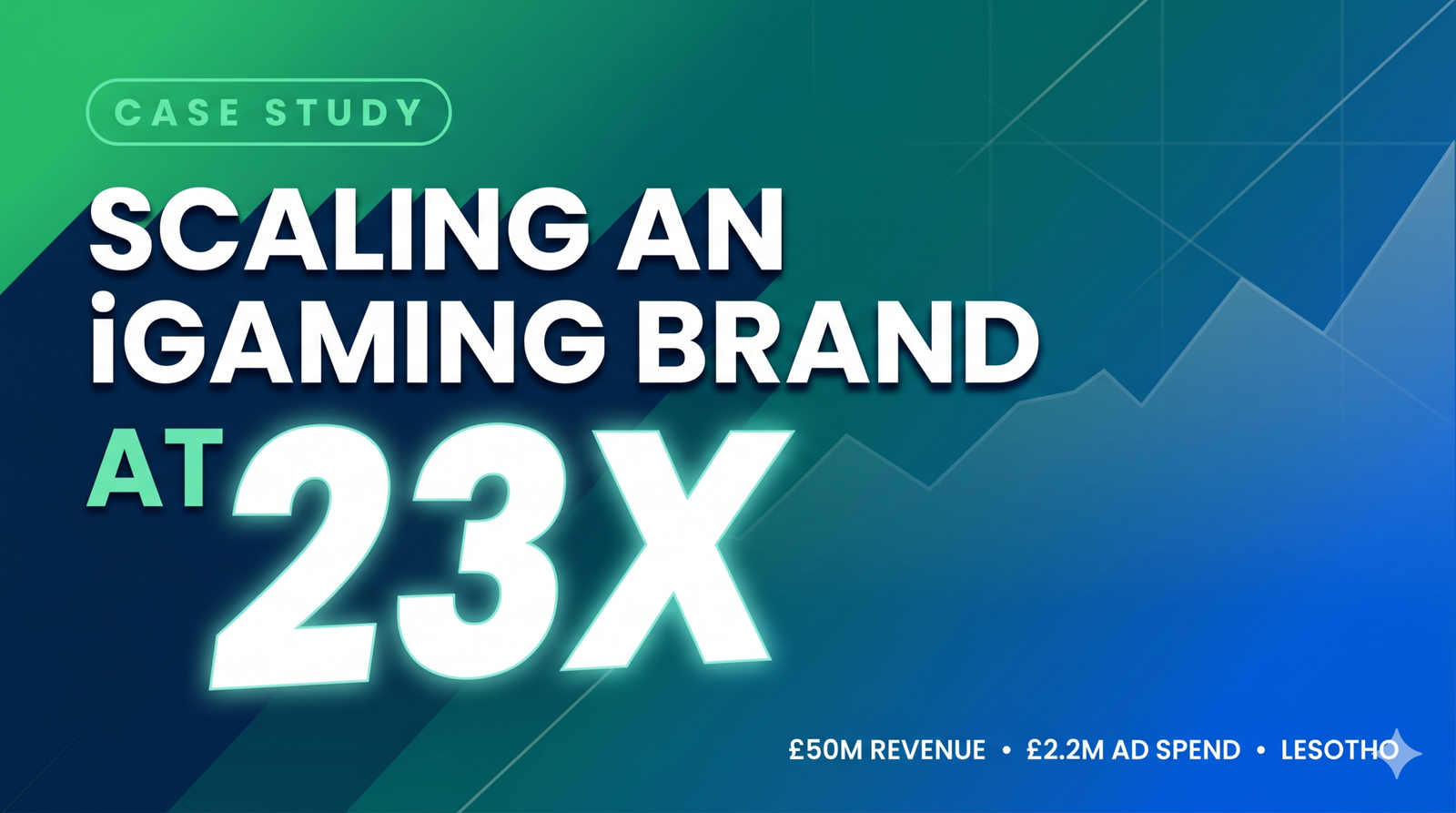
Scaled an Online Casino to L50M Revenue at Just L2.2M Ad Spend at 23X ROAS

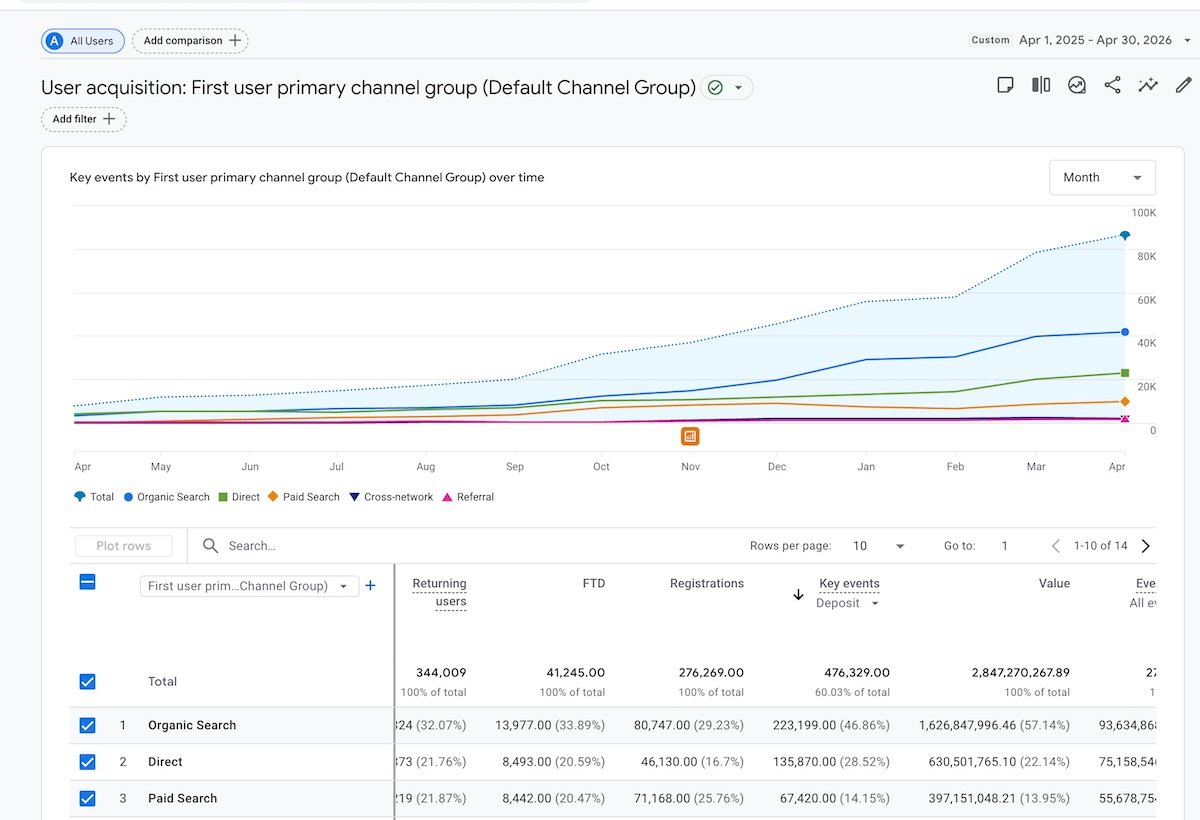
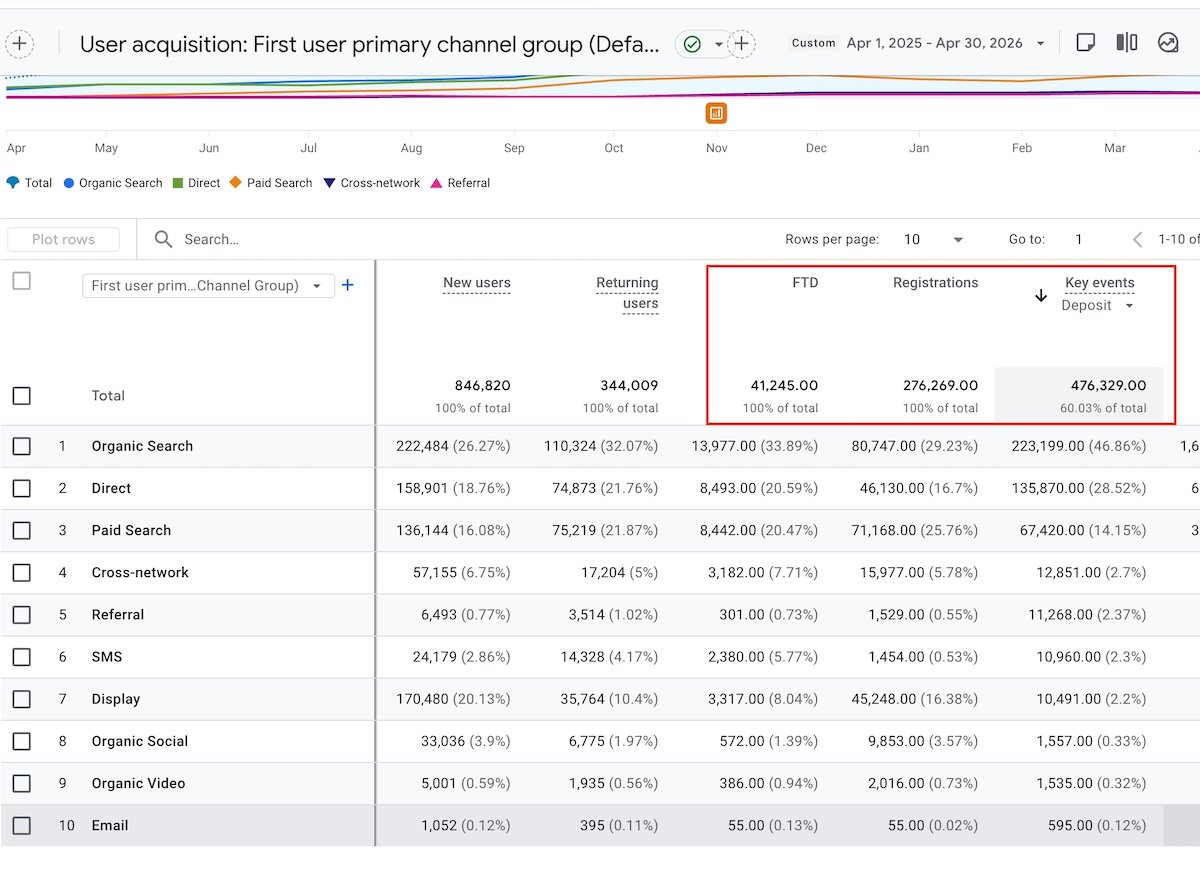
Country: Lesotho | Service: Google, Meta Ads & Native ads Management | Duration: April 2025 – April 30 2026 User Acquisition Analytics

Challenge

Advertising casinos is extremely restricted. Platforms like Google and Meta only allow licensed sports betting promotions, not full casino ads. This meant:
  • Obtaining platform-specific betting licenses
  • Building compliant landing pages (no direct deposit allowed)
  • Navigating strict policies for gambling creatives
  • Running multi-platform campaigns without triggering disapprovals
  • Scaling aggressively while keeping CPA stable
The goal was to achieve rapid growth without violating policies and still maintain profitable CPA.

💡 Strategy

Initial campaign strategy was to focus on 5 platforms: Google Ads Meta Ads X Ads Adsterra Bidvertiser

Google

Decided to spend more on Google Registration campaigns. 60% of the Google Budget was on Registration campaign. 20% was allocated to FTD focused campaigns. 20% allocated on Performance Max and demand gen campaign.
  • Google Ads: Search + Demand Gen
  • Separate Search campaigns for generic, brand, and competitor terms

Meta Ads

Meta ads is designed to utilise the Remarketing feature i.e not available in Google. So we have spent around 20% budget on remarketing efforts. There were separate remarketing campaigns spending on Registrations and FTDs. However, we still spend 40%:
  • Registration-focused TOF campaign
  • FTD-focused remarketing campaign
  • Meta allows to run remarketing

🚀 Results

User Acquisition Results Analytics

  • ✅ Revenue generated L49.494 million
  • ✅ Total Ad Spend: L2,155,030
  • ✅ Total Deposits: 476,329
  • ✅ FTDs: 41,245
  • ✅ Total Registration: 276,269
  • ✅ CPA of Registration: L 5.57
  • ✅ CPA FTD: L 42.65
ROAS = 49,494,000 / 2,155,030 = 22.97

Execution Across Multiple Ad Networks

  • Launched campaigns in: Google • Meta • X Ads • Bidvertiser
  • Traffic Junky campaigns planned and in pipeline

Tracking & Analytics

  • Complete conversion tracking setup
  • Custom dashboards created in Google Analytics
  • FTD & Registration-based reporting for decision-making

Budget Strategy

  • Higher budget for TOF to maximize registrations
  • Efficiency-focused reallocation weekly

📈 What’s Happening Now

Since April 2025, results have consistently improving.
  • FTD CPA dropped from R55 (Oct 2025) to R48 (Nov 2025)
  • This improvement happened despite increasing budget by 20%
  • Registrations and FTD volume continue to scale month over month
This trend shows the system is becoming more efficient as it scales, which is the hallmark of a well-built performance engine.